
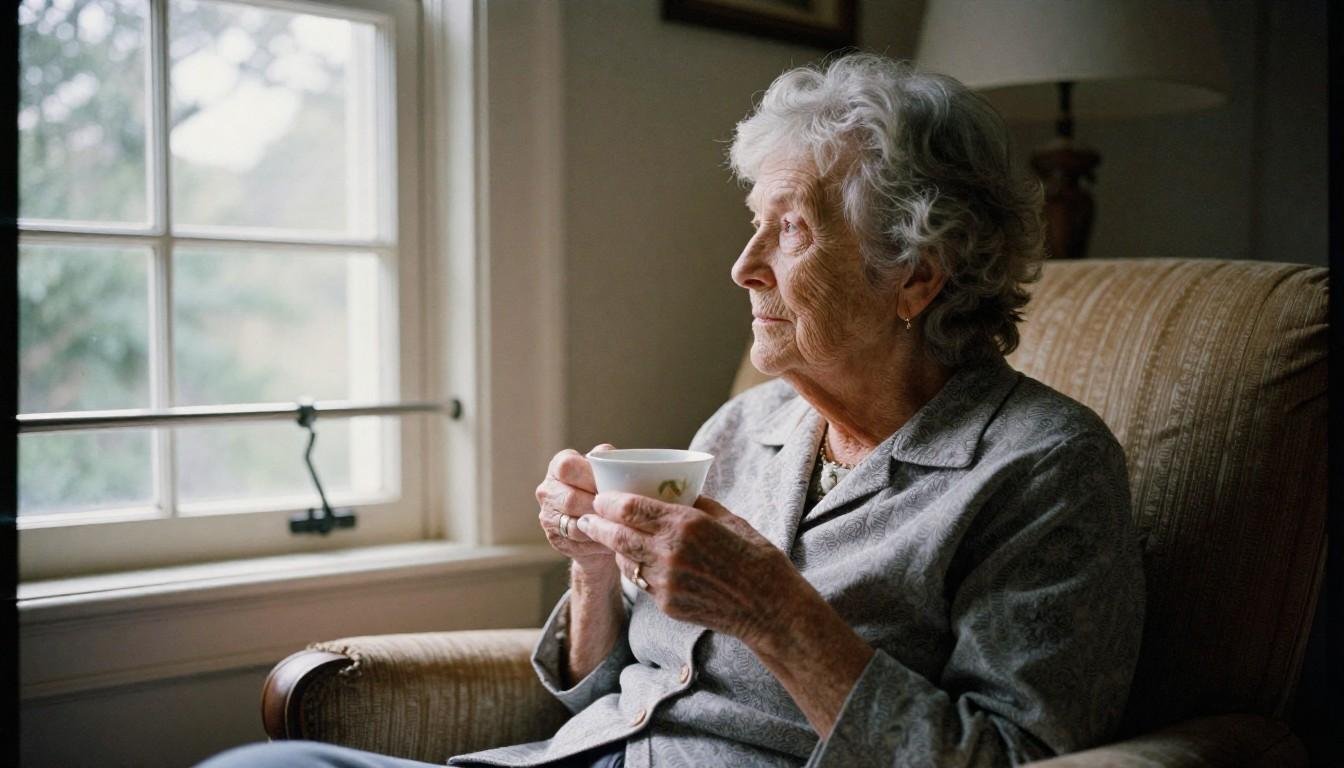
Living at home brings comfort, routine, and independence. For many older Australians, especially in Melbourne, staying at home is a strong priority. However, ageing changes how safe daily life feels and functions. If you are wondering whether you, or an ageing parent, are still safe living alone, this guide will help you assess the situation clearly and calmly.
You do not need to make rushed decisions. What you need is awareness, practical checks, and the right kind of support at the right time.
Understanding Ageing, Independence, and Safety
Ageing does not mean you lose your ability to live independently. Many seniors live safely at home well into later life. That said, risks increase with age, particularly if you live alone or manage health conditions.
The most common safety risks include falls, medication errors, untreated health issues, memory changes, and social isolation. In Melbourne, weather extremes, slippery footpaths, and busy urban areas can increase these risks.
True independence works best when safety support is in place. The aim is not to take control away from you. The aim is to help you remain at home safely, with confidence and dignity.
Early Warning Signs That Living Alone May No Longer Be Safe
Safety concerns often develop slowly. That is why regular self-checks matter.
Physical and Mobility Warning Signs
You feel unsteady when walking or standing
You struggle with stairs, showers, or getting in and out of bed
You have had one or more falls in the past six months
Falls are a leading cause of hospital admissions for older Australians. Even a minor fall should be treated as a warning sign.
Support such as in-home personal care in Melbourne can reduce fall risk by assisting with mobility, showering, and daily routines.
Memory and Cognitive Changes
You forget to take medication or take the wrong dose
You miss meals or appointments
You feel confused managing finances or daily plans
These signs may point to mild cognitive decline or early dementia. Early support helps you stay at home longer and more safely. In-home dementia care in Melbourne focuses on routine, safety, and reassurance within familiar surroundings.
Emotional and Behavioural Signs
You feel lonely or withdrawn
You avoid leaving the house
You feel anxious about managing alone
Emotional safety matters as much as physical safety. Loneliness increases health risks and often goes unnoticed.
Changes in Daily Living
Your home feels harder to keep clean
Food spoils or meals are skipped
Bills are missed or paperwork piles up
These are often early signs that extra help is needed. In-home domestic assistance in Melbourne can support cleaning, laundry, and meal preparation so your home stays safe and comfortable.
A Practical Room-by-Room Home Safety Check
A simple home check can reveal risks you may overlook.
Entryways and Stairs
Are steps even and well lit?
Do handrails feel secure?
Are paths free of clutter and leaves?
Living Areas and Bedroom
Remove loose rugs and cords
Ensure furniture is stable
Keep a phone or alarm within reach
Bathroom and Toilet
Bathrooms carry the highest fall risk.
Install grab rails
Use non-slip mats
Ensure safe water temperature
Kitchen
Check smoke alarms
Avoid reaching high shelves
Watch for forgotten cooking
Small changes here can prevent serious injury.
Health and Medical Readiness
Your health plan should match your living situation.
Medication Safety
If you manage multiple medications, mistakes are common. Pill organisers, reminders, or professional help can reduce risk. In-home nursing care in Melbourne supports medication management, wound care, and health monitoring at home.
Ongoing Health Checks
Regular reviews of vision, hearing, mobility, and chronic conditions help catch problems early. Falls assessments and mobility reviews are especially important.
Planning Ahead
Advance care plans and emergency health details should be easy to find. This protects you during sudden health events.
Social, Emotional, and Cognitive Safety
Living alone should not mean being alone.
If you go days without speaking to someone, your safety and wellbeing can suffer. Regular social contact improves mood, awareness, and confidence.
Many seniors benefit from in-home companion care in Melbourne. Companion visits provide conversation, shared activities, and routine without medical pressure.
If memory loss is present, structured dementia support at home reduces confusion and distress while maintaining familiar surroundings.
Technology That Supports Safety
Technology works best when it stays simple.
Helpful options include:
Personal alarms and fall detectors
Medication reminder devices
Telehealth GP appointments
Emergency call systems
Avoid systems that feel intrusive or confusing. The right option is one you will use consistently.
Local Aged Care Support in Melbourne
Melbourne offers strong aged care support when you know where to look.
Home Care Packages
Government-funded Home Care Packages in Melbourne help pay for personal care, nursing, domestic help, transport, and more. Packages can be adjusted as your needs change.
If the system feels confusing, this guide on how to access Home Care Package funding explains it step by step.
Private In-Home Care
Private care fills gaps when government funding is limited or delayed. It also allows more flexibility.
Golden Point Age Care provides a full range of in-home aged care services in Melbourne, supporting seniors across multiple suburbs. You can view the locations served to see if support is available near you.
Transport and Community Access
Driving often becomes unsafe before people realise it. Missed appointments and reduced outings increase isolation.
In-home transport services in Melbourne help you attend medical appointments, shop, and stay connected to the community without relying on family.
What Works and What Often Fails
What Works
Gradual increases in care
Regular safety reviews
Consistent carers
Clear routines
What Often Fails
Waiting for a crisis
Ignoring emotional wellbeing
One-off fixes without follow-up
Too much technology too fast
Consistency keeps you safer than quick changes.
When to Increase Support or Reassess Living Alone
Signs that more support is needed include:
Repeated falls
Hospital visits
Severe memory loss
Difficulty with hygiene or meals
This does not always mean leaving home. Many people increase in-home support first. Comparing options can help, as explained in in-home care vs residential aged care in Melbourne.
Creating a Personal Safety Plan
Immediate Actions
Remove trip hazards
Test alarms
Review medications
First Month
Arrange care assessments
Apply for funding
Add domestic or personal support
Ongoing Reviews
Review your plan every six months or after health changes.
Legal and Financial Readiness
Prepare key documents early:
Power of attorney
Medical decision maker
Emergency contacts
Bill payment systems
These steps protect your independence.
Emergency Preparedness in Melbourne
Plan for heatwaves, power outages, and health emergencies.
Keep water and medications accessible
Use personal alarms if you live alone
Share emergency contacts clearly
Respecting Personal and Cultural Preferences
Care should respect your values, language, and identity. Ask providers about experience with diverse communities and personal preferences.
Working With an In-Home Care Provider
A good provider listens, explains clearly, and adapts care as your needs change.
Golden Point Age Care supports seniors with personal care, nursing, dementia care, respite, domestic help, transport, and in-home palliative care in Melbourne when comfort and dignity matter most.
If you want to talk through your options or ask questions, you can reach the team through the contact page with no pressure.
Final Safety Check
You are likely safe at home if:
You move confidently
Your medications are managed
You eat well and keep your home clean
You connect with others often
You know who to call in an emergency
If any point feels uncertain, support at home can help you stay independent for longer.
FAQs
How do you know when living alone is no longer safe?
When daily tasks, memory, or mobility affect your safety, it is time to review support.
Can you stay at home with dementia?
Yes, with early planning and the right in-home dementia care.
What is the first step to getting help in Melbourne?
Start with a My Aged Care assessment or speak with a local provider.
Is in-home care affordable?
Home Care Packages and flexible services help manage costs.
How often should safety be reviewed?
Every six months or after any major health change.

Clara Ashford
Clara Ashford is a Melbourne-based content writer specialising in healthcare and medical communications. With over a decade of experience, she creates clear, accurate and engaging content for healthcare brands, clinics and wellness organisations. Her work includes patient education materials, blogs, medical website copy, whitepapers and research articles, making complex medical information accessible and relatable. Passionate about improving health literacy, Clara combines storytelling with medical expertise to connect with readers. Outside of work, she enjoys exploring Melbourne’s café scene, reading contemporary fiction and walking along the Yarra River.
